A cactus can look perfectly innocent right up until it turns soft at the base. That is the rude little magic trick of bad soil. This cactus soil review is for plant people who want more than a bag with a desert photo on the front - especially when that cactus is living in a handmade planter worth showing off.
Cactus soil is not supposed to be rich, fluffy, and moisture-hugging. It should give roots air, move excess water out fast, and still hold enough structure for the plant to anchor itself. The best mix is not necessarily the most expensive one. It is the one that works with your cactus, your watering habits, your light, and the drainage situation in your pot.
Cactus Soil Review: What Actually Makes a Mix Good
Most commercial cactus and succulent soils get one thing right: they are usually lighter than standard indoor potting soil. That is a decent starting point. But plenty of bagged mixes still lean heavily on peat, compost, or fine wood products. Those ingredients can be useful in moderation, yet they can also stay wet longer than a real desert plant would ever choose.
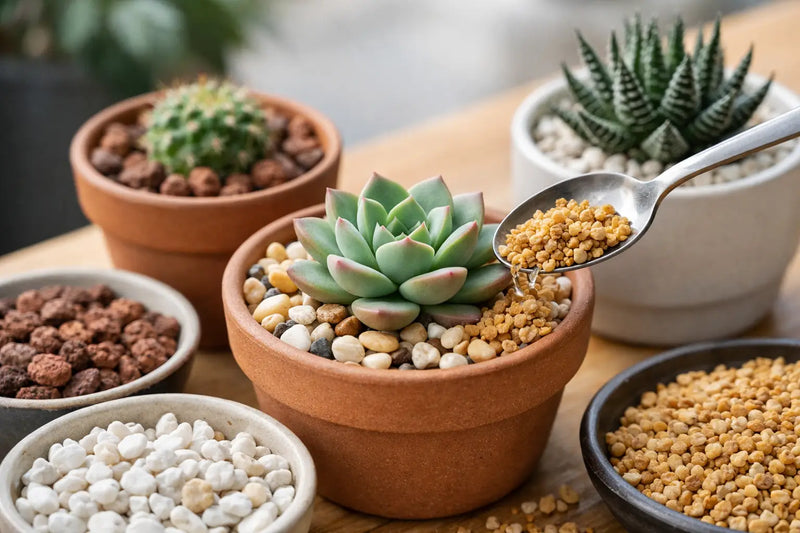
A strong cactus mix has visible grit. Think pumice, perlite, lava rock, coarse sand, crushed granite, or small bark pieces depending on the formula. Those particles create pockets of air around the roots and prevent the soil from collapsing into a damp brick after a few waterings.
The test is simple. Water the pot thoroughly, then feel the mix a few days later. In bright light and a pot with a drainage hole, many small indoor cacti should be heading toward dry rather than staying cool and swampy. If the center of the pot remains soggy for a week or more, the mix may be too organic, the pot may be oversized, or your plant may not be getting enough light to use the moisture.
That last part matters. Soil gets blamed for every sad cactus, but light and container choice are always in the group chat.
Bagged Cactus Soil: Convenient, Not Automatically Perfect
Bagged cactus soil is convenient, clean, and absolutely fine for some setups. A small, thirsty tropical cactus in a warm window may do well in a quality commercial blend straight from the bag. If you are potting several plants quickly, it saves time and keeps the mess level reasonable.
The trade-off is consistency. One brand's cactus mix can be chunky and fast-draining; another can look suspiciously close to regular potting soil with a few white flecks tossed in for decoration. Even a good mix can be wrong for your conditions. A dry Arizona patio, a humid Florida porch, and a dim apartment shelf are not asking the soil to do the same job.
For many collectors, the move is not to reject bagged soil but to customize it. Add extra pumice or perlite if the mix feels dense. Add lava rock or coarse mineral grit for plants that hate lingering moisture. If you are working with a jungle cactus such as a holiday cactus, keep a bit more organic material in the blend. Those plants are cactus royalty too, but they do not want the same bone-dry treatment as a barrel cactus.
There is no prize for using the grittiest possible mix if it dries so fast that you cannot keep up during hot weather. Good cactus care has a little give in it.
The Ingredients Worth Looking For
Pumice earns its reputation. It is lightweight, porous, and helps the root zone breathe without floating to the top as aggressively as perlite can. Lava rock adds durable structure and looks especially sharp as a top dressing, though it can make larger pots heavier. Perlite is affordable and effective, but it is bright white, dusty, and prone to wandering when you water.
Coarse sand can help, but fine playground-style sand is usually a bad idea. Fine particles settle into the gaps between larger particles and make the mix tighter, not airier. For the same reason, avoid soils that look like dark powder with a few decorative chunks mixed in.
Organic material still has a role. Coconut coir, quality compost, and pine bark can hold a measured amount of moisture and nutrients. The point is proportion. A cactus soil should feel mineral-forward, not like a houseplant mix wearing a tiny cowboy hat.
Your Pot Is Half the Cactus Soil Review
A great soil mix cannot rescue a pot with no drainage hole. That is not a hot take. It is plumbing.
A drainage hole gives excess water somewhere to go. A saucer catches it, and you empty the saucer after watering rather than letting the roots marinate. Adding rocks to the bottom of a hole-free container does not create drainage. It creates a wet zone below the roots, which is a pretty rough place to send a cactus.
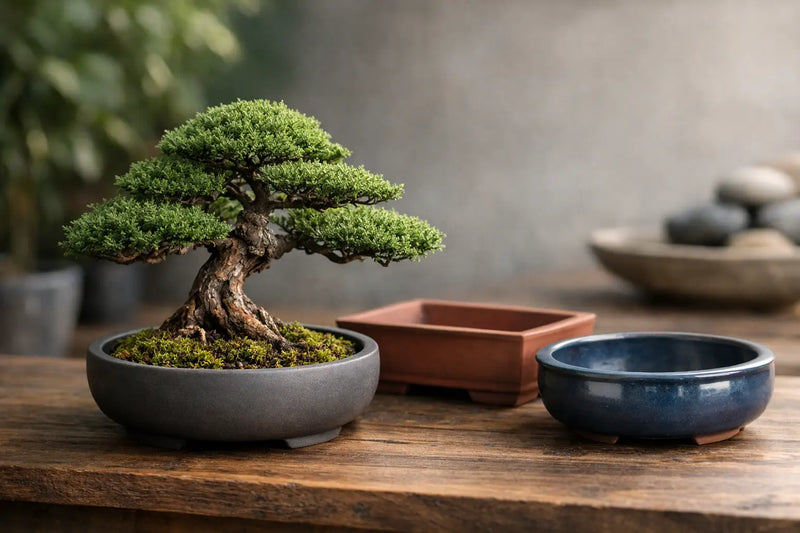
Handmade ceramic planters deserve an extra second of thought because every piece has its own personality. A broad, shallow pot dries differently from a tall, narrow one. A heavy ceramic vessel can stabilize a top-heavy cactus beautifully, while a small pot may dry quickly and make watering easier to control. Glaze, wall thickness, airflow, and pot size all change the pace.
At The American Gringo, the best planter pairing is never just about color. It is about matching a sculptural pot to a plant that can actually thrive in it. Choose a vessel with drainage, avoid sizing up too dramatically, and let the plant be the real prick - not the care routine.
How to Match Soil to the Cactus You Actually Own
Desert cacti, including many globular types, columnar cacti, and spiny little weirdos, generally want the fastest-draining mix in the collection. Use a high proportion of mineral aggregate, especially if they live indoors or in humid conditions. Their roots need oxygen as much as they need water.
Epiphytic cacti are different. Christmas cactus, Thanksgiving cactus, orchid cacti, and fishbone cactus grow in more organic debris in their native habitats. They still dislike waterlogged soil, but an ultra-gritty desert blend can dry too fast and leave them stressed. A mix with bark, coir, and pumice is often a more sensible fit.
Then there are the lookalikes. Euphorbias get called cacti all the time, but they are not cacti, and their sap is irritating. Many succulents have similar watering preferences, but not identical root systems. Know what you have before copying a care recipe from someone else's plant shelf.
Signs Your Soil Needs a Remix
Your cactus does not need a dramatic rescue montage every time it drops a spine. But a few clues say the current mix is working against you.
If the soil takes forever to dry, smells sour, or pulls away from the pot as a dense, peat-heavy plug, add more mineral material at the next repot. If the cactus is soft, yellowing near the base, or suddenly leaning, inspect the roots immediately. Healthy roots are usually firm and pale to tan. Black, mushy roots call for trimming away rot, letting cuts dry briefly, and repotting into fresh, dry mix.
On the opposite end, a mix can be so coarse that water races through without wetting the roots. If the plant shrivels quickly despite regular watering, soak the pot thoroughly and see whether the root ball is actually taking up moisture. Sometimes the fix is not more water. It is a modest increase in moisture-retentive material or a more thorough watering method.
The Verdict: Buy Smart, Then Adjust
The best cactus soil is not a universal product with a perfect label. It is a blend that dries at a sane pace in your home, supports the plant's root type, and suits the container you chose because it looked too good to leave behind.
Start with a decent bagged cactus mix if you want convenience. Upgrade it with pumice, lava rock, or perlite when it feels too fine. Go more organic for jungle cacti, more mineral for desert cacti, and always give excess water a way out. Your planter can be handmade art, your cactus can be a glorious little mutant, and your soil can still do its job without any other BS.
When you repot, take one minute to look at the roots, feel the texture of the mix, and check that drainage hole. That small bit of attention is what keeps a collectible pot from becoming a very expensive cactus memorial.