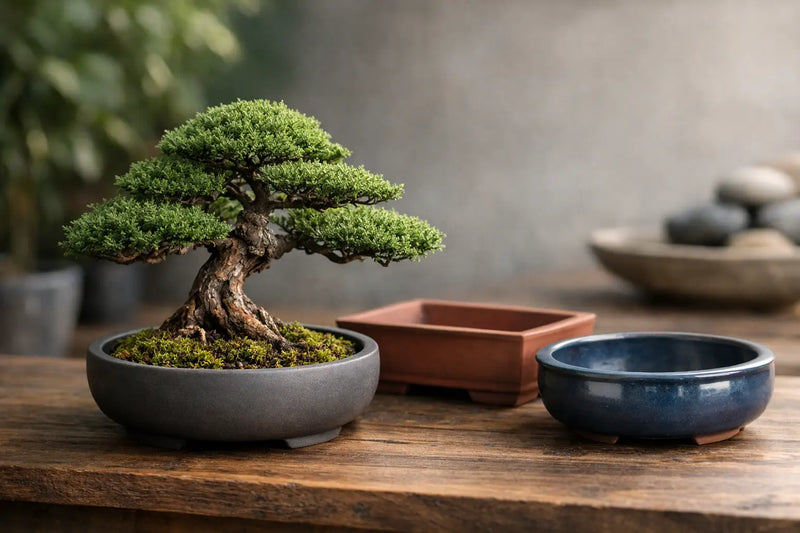
A bonsai can look ancient, dramatic, and perfectly composed in a handmade ceramic pot, then quietly decline because its roots are sitting in wet, dense dirt. That is the real issue behind bonsai soil versus potting mix. This is not garden-center trivia. Your growing medium decides how much oxygen reaches the roots, how quickly water leaves the pot, and whether your tree has the conditions to build fine feeder roots instead of getting soft and miserable.
A beautiful bonsai vessel deserves better than being filled with whatever bag was nearest the register. But standard potting mix is not automatically trash, either. The right choice depends on the tree, the pot, your climate, and whether you are the kind of plant person who checks moisture daily or waters when the vibes feel right.
Bonsai Soil Versus Potting Mix: The Real Difference
Traditional potting mix is designed to hold moisture and support a broad range of houseplants. It often contains peat moss, coco coir, compost, bark, perlite, fertilizer, or water-retaining additives. That makes sense for a leafy tropical plant in a plastic nursery pot. It is less ideal for a tree living in a shallow bonsai container with a compact root zone and limited room for error.
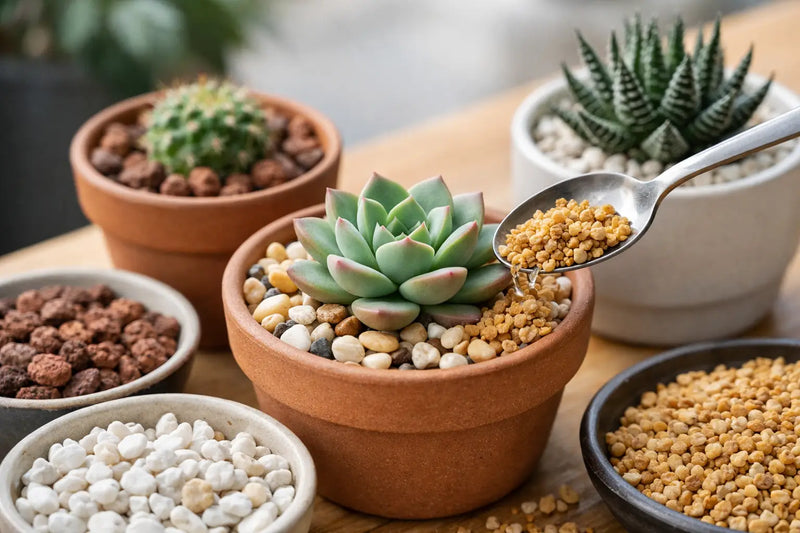
Bonsai soil is typically a more granular mix. Rather than looking like dark, fluffy dirt, it looks more like a blend of small particles: fired clay, lava rock, pumice, pine bark, and similar materials. The exact recipe varies by grower and species, but the goal stays the same: water should move through the root zone, air should follow, and the particles should hold their structure over time.
That structure is the whole game. Organic-heavy potting mix breaks down and compacts. As the particles become finer, air pockets disappear. In a deep container, a plant may have enough root mass and soil volume to tolerate that. In a shallow ceramic bonsai pot, compaction can turn an otherwise healthy watering routine into a root-rot speedrun.
Why Bonsai Roots Need More Air Than You Think
Bonsai are trees, not tiny houseplants. Their roots need moisture, yes, but they also need oxygen. Healthy roots do not want to sit in a soggy paste for days. They want water to reach them, then drain away while enough moisture remains in the particles for the tree to drink.
Granular bonsai soil creates small spaces between particles. Those gaps improve drainage and gas exchange, while materials such as pumice and fired clay retain a useful amount of water internally. It is a controlled balance, not a dry desert situation.
This matters even more in handmade ceramic planters. A well-made bonsai pot with drainage holes helps excess water exit, but drainage holes cannot magically fix a dense, collapsing medium. If the soil stays saturated, the roots still stay saturated. A gorgeous pot is a stage for the tree, not a get-out-of-jail-free card for bad soil.
When Potting Mix Can Work
There are situations where potting mix belongs in the conversation. Tropical bonsai, especially ficus, schefflera, jade, and some indoor-grown species, often appreciate more organic material than a pine or juniper. They may be grown in warmer indoor conditions, receive less intense sun, and need a mix that does not dry out at warp speed.
The move is not usually to use straight potting mix. Instead, cut it with gritty, stable ingredients. A practical blend for many tropical bonsai might include a quality potting mix or fine pine bark alongside pumice, perlite, lava rock, or a bonsai aggregate. The goal is to keep some moisture and nutrients available without turning the root ball into a wet sponge.
Potting mix can also be useful when you are starting cuttings, developing young material in a deeper training container, or caring for a tree in an extremely hot, dry climate. The more aggressively a tree dries out, the more organic material can make sense. It depends. Anyone claiming every bonsai needs one universal recipe is selling a fantasy with a scoop attached.
When Dedicated Bonsai Soil Is the Better Call
Use a true granular bonsai mix when drainage, root health, and long-term control matter most. That usually includes conifers such as junipers, pines, spruce, and many other outdoor bonsai. These trees are especially unforgiving of constantly wet roots.
It is also the smart choice for trees living in shallow pots, trees kept outdoors through rainy seasons, and collector pieces planted in a limited handmade vessel. A premium ceramic pot may have a shallow profile, a narrow foot, or a sculptural shape that makes soil volume precious. Those features look incredible, but they leave less margin for heavy, waterlogged media.
A granular mix also makes watering easier to read. When you know the soil drains freely, you can water thoroughly until it runs from the drainage holes, then wait until the mix approaches the right level of dryness for that species. You are not guessing whether the center is still a swamp under a dry-looking crust.
Your Pot Changes the Answer
People talk about soil like it exists separately from the container. It does not. Soil, tree, pot, light, and watering habits are one system.
Unglazed ceramic can lose moisture faster than glazed ceramic because the clay itself is more porous. A wide, shallow pot dries quickly compared with a deep training pot. A pot with multiple drainage holes gives you more insurance than a decorative container with one tiny opening. If your vessel has no drainage at all, it is not a bonsai pot. No other BS. Use it as a cachepot, or choose a tree-friendly planter instead.
Before planting, cover drainage holes with mesh to keep the soil from washing out. Use wire if you need to anchor the tree, especially in a shallow pot where movement can tear fresh roots. Do not add a gravel layer at the bottom to “improve drainage.” In a bonsai pot, that mostly wastes valuable root space and can create awkward moisture behavior. Use a properly graded mix from top to bottom instead.
Choosing Particle Size and Ingredients
A good bonsai mix is not just about ingredients. Particle size matters. Fine roots need smaller particles than thick, vigorous roots. A small shohin bonsai may need a finer grade than a larger tree in a broad training pot. If the particles are too large, the root zone dries excessively and fine roots struggle to establish. If they are too small, you are back in compaction territory.
Common bonsai ingredients each bring something different to the table:
- Akadama or fired clay holds water and nutrients while maintaining structure for a time.
- Pumice is light, porous, and excellent for air space and root development.
- Lava rock adds drainage, weight, and a long-lasting mineral component.
- Pine bark contributes organic matter and moisture retention, especially useful for many tropical species.
Watering Is Different in Granular Soil
The most common surprise after switching from potting mix to bonsai soil is how quickly it dries. That is not necessarily a problem. In warm weather, a healthy bonsai in granular soil may need daily watering, sometimes more than once a day during brutal heat and wind.
That frequency is the trade-off for oxygen-rich roots. Granular soil gives you control, but it asks you to pay attention. If daily care is unrealistic, adjust the mix toward slightly more water retention, use a less shallow pot when appropriate, add shade during peak heat, or choose a species that suits your schedule. Bonsai should be a ritual, not a hostage situation.
Water deeply, not timidly. Run water across the surface until it flows freely from the drainage holes, pause, then water again. This helps fully wet porous particles and flushes accumulated salts. A quick splash that moistens only the top inch is how root zones become uneven and weird.
Repotting Without Wrecking the Tree
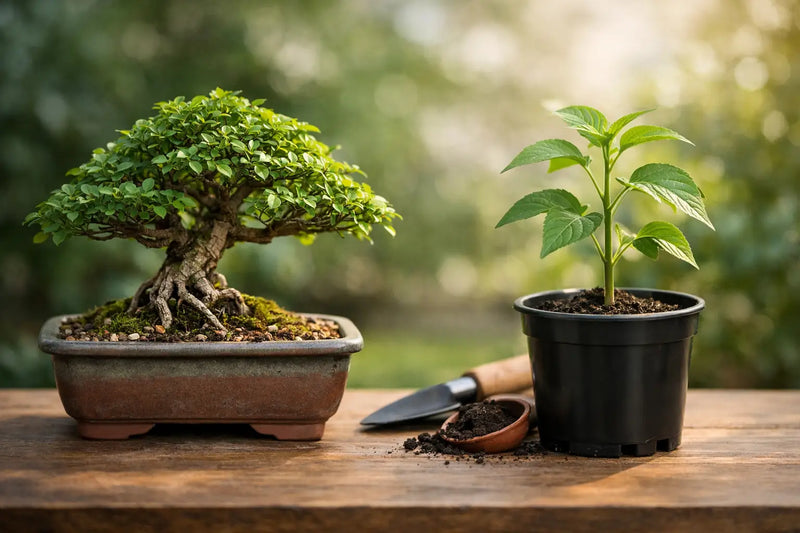
If your bonsai is currently in dense potting mix, do not panic-repot it just because you read this. Repot at the proper time for the species. Many temperate trees are repotted around early spring as buds begin to swell, while tropical bonsai are often safest to repot during active warm-season growth.
When the time is right, work gradually and thoughtfully. Remove old compacted soil, prune roots conservatively based on the tree's health and species, and settle fresh mix around the roots with a chopstick so there are no giant air pockets. Then water thoroughly and give the tree a little recovery space from harsh sun or wind.
The best bonsai soil is not the fanciest bag or the most complicated recipe. It is the mix that fits your tree, drains properly in your chosen pot, and works with the way you actually care for plants. Give the roots air, give the tree a pot with presence, and let the whole tiny landscape do its thing.